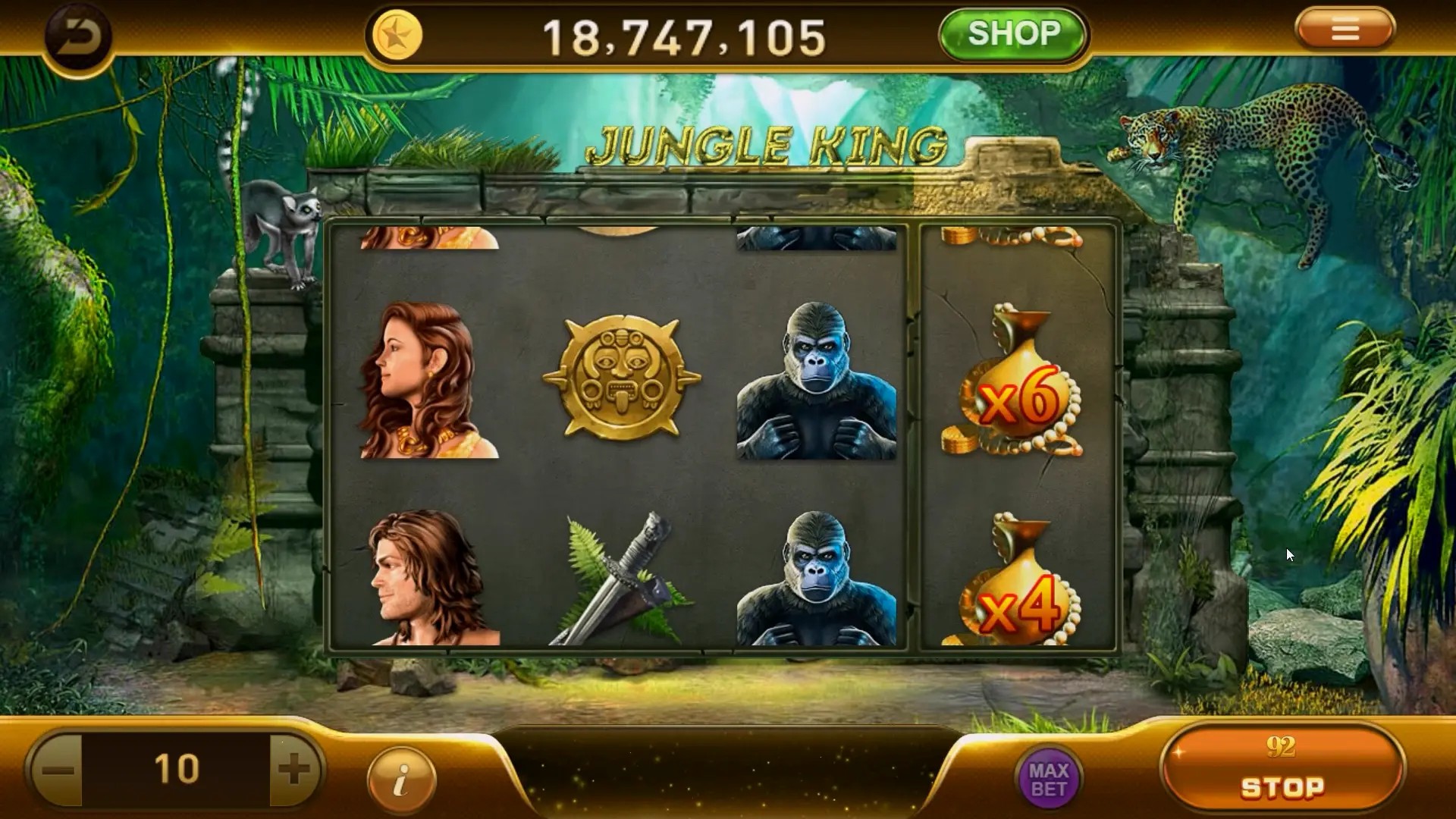
The Surprising Rise of Clicker Games: Why Idle Gameplay is Taking Over Mobile & Web
Why are Clicker Games Suddenly Trending Globally?
Lots of folks scratched their heads earlier thinking how click-based games became all so popular, but the reality hits hard: they tap into a psychological reward loop more powerful than ever suspected. **Idle tapping** isn’t boring; it’s calming, therapeutic—and in some cases—wildly addicting. The numbers speak for themselves. Brazil saw an insane spike in downloads and plays across mobile platforms in 2024 alone.
And you know what makes that trend even cooler? Big studios don’t necessarily need a blockbuster hit to make money. Even indie creators started cashing in with minimal code and quirky concepts—proof positive of changing player priorities and the slow shift from high-adrenaline action toward more chill digital escapades.
- Casual gameplay suits short attention spans.
- Easier to monetize due to passive retention models.
- Predictable patterns ease decision-making fatigue in players.
Brazillian Players Flocking to Clicker-Style Games
Last years stats show that Brazil ranked #1 on Latin American click-to-play downloads. There's sometin goin' around in Rio and São Paulo—not exactly what you'd imagine as gaming capitals—but yeah! People just keep clicking those tiny little screen icons like there's no tomorrow. Could be the weather or perhaps cultural differences that make this low-key style of play catch fire in this region.
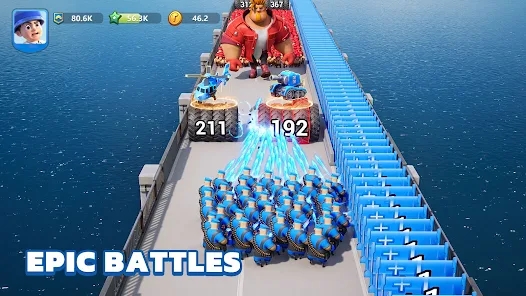
Brazilian teens, specially under-18 mobile users, showed the fastest growth rate in click-driven titles—beating India, Russia, or Indonesia. What gives here? It ain't complicated—it fits with fragmented free-time usage better.
What Makes a Game “Click" So Well?
A core mechanic of every successful clicker game hinges heavily around a deceptively small circle of actions: Tap → Gain Currency → Upgrade System → Repeat ad nauseam. Sounds simple, but the real trick lies inside the algorithm driving progression systems, reward pacing curves, and microtransactions designed not to feel forced or intrusive—but smooth as butter.
Tapping Mechanics: Easy to get into, hard to drop.
In-Game Economies: Balanced with obsessive tuning to create flow-state moments without frustration.
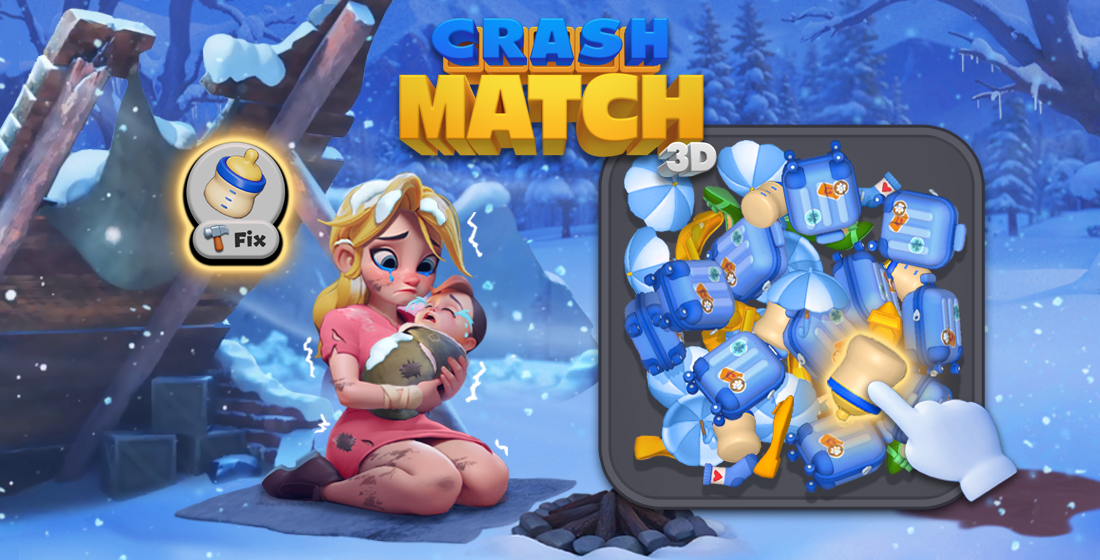
Sometimes called 'the fast food version' of gaming—a snacky indulgence many gamers find comforting.
| Feature | Description |
|---|---|
| Passive Gains | Currency continues increasing even when offline or app is closed |
| User Investment Thresholds | Highly accessible to newcomers. No skill wall needed |
| Monetization Model (F2P) | Ads and small IAP packs keep users hooked longterm |
The Role of Micro Transactions Without Being Annoying
Hear us out: nobody wants another gacha wheel spin nonsense experience where your wallet gets drained just to keep playing normally. But modern idle-clickers avoid that by letting you wait longer to get resources or paying small bucks to accelerate things temporarily.
You might’ve seen apps that give +1 coin every time you open em’ in morning? Yep, it’s basically that, but wrapped in RPG themes, sci-fi narratives, fantasy worlds—even coffee shop aesthetics. Some of these idle games even have live events with leaderboards. Yeah. Who'd'a guessed that tapping the exact same spot would somehow get social features bolted on later.
Digging Deeper into How EA Sports FC 25 Might Tie Into This Shift
Now, EA Sports has always been at forefront of premium titles—and yet even they’re sniff'n around idle territory a bit with their newer releases like FC Ultimate Team progress loops mimickn certain aspects of casual mechanics we've talked about so far.
The FC series itself remains deep and demanding in full modes like Pro Clubs or Managerial career—but guess who found ways of soft introducing "tap n earn" elements into squad progression, especially for users trying out new gamemode experiments outside traditional matches. That may very well point toward EA subtly test-driving idle mechanics on their huge base.
FC players can log daily to boost XP passively during online cooldown phases. Or they grind away at training nodes that require almost zero brain activity. Not too shabby as casual crossover bait, eh?
The Impact on Traditional Game Dev Structures

Goes without saying but major devs aren’t exactly scared of clickers threatening triple AAA sales—at least, directly—but the market signal is crystal. Young people want options. They want games they *feel* rewarded playing—not ones that beat'em down constantly like some brutal Souls game.
Middle-market dev companies? Now there’s trouble brewing. Indie teams making $5/month via Steam direct sells versus $20k/day off a trending ad-funded title on Roblox... You know which side you'd choose eventually.
We saw whole game dev bootcamp classes pivoting into browser-only builds last semester—with focus squarely aimed toward lightweight monetization cycles over artistic polish, technical complexity. Sad to admit, but true.
Mobile vs Web Platforms: Where are Users Actually Playing Them More?
Brazil specifically prefers mobile setups. Android users, mostly. Though web versions sometimes pop up for folks using less restrictive devices or tablets connected through broadband home Wi-Fi. Data logs show heavy midweek spikes between 7–9 PM local.
Still curious why browser variants haven’t gotten nearly same love. Probably owes a big debt towards parental monitoring systems blocking certain URLs associated with ‘time-wasting’. But still—if you're old enuf to handle adult stuff... knock yeurself out 😉
New User Experiences Catering Specifically To Brazillian Audiences
Braizilian users prefer quick-start gameplay loops without tutorials that last forever. One study found that over two thirds quit any title if it required more then ten seconds of learning effort upfront. That explains why tap-and-hold instantly works like charm there. Just hit a screen button—nothing else.

This aligns pretty nicely with the current mobile UI design principles—where simplicity dominates the landscape. Add a little localization work? Like voiceovers in Portuguese and slang-based character descriptions, boom—instant appeal. Publishers figured that real quick back in late ’23 season rush!
So it's fair t'o say developers who added Brazilian flavor content to click games scored huuuge points. Like pizza shops becoming dragons in clicker world because they thought the mascot character had regional relatability or smtn like that… wild concept but hey! It got clicked.
Future Outlook For Tap-to-Interact Models In Mainstream Gaming
Don’t expect console exclusives to drop auto-pilot sim mechanics anytime soon—but definitely expect a lot moooore mini-game crossovers where tapping acts as background leveling tools during downtime or loading screens.
Increasin number of games will integrate optional idle-style rewards to let players continue engaging when they cannot commit intense sessions. And guess who leads that push? Mobile-first titles, obv, especially battle royales tryna hook part-timers who only wanna collect rewards while AFK or doin' chores. Wild!
Potential Pitfalls for Clicker Game Developers Today
- Complacency: Since entry-barriers remain super low, competition keeps getting tougher every day.
- Ad fatigue: Nobody clicks anymore on banners they barely pay attention to in 2025, honestly...
- Over monetizin kills virality. Aka—charging 0.99 cents ruins sharing potential.
- Design repetition. Every single one ends feeling sameish after week two unless you innovate HARD.
If anything, survival requires blending genres or adding surprise hooks like live multiplayer tap zones—or something bonkers like turn-based PvP rounds triggered only during active periods.
But for many devs, staying ahead just seems exhausting—like running a treadmill with no end visible ahead.
Rare Opportunities Lurking Under the Hood of Simpler Mechanics
Beyond just pure engagement figures, hidden possibilities lie within educational realms where repetitive interactions teach complex concepts via muscle-memory association methods.
For instance? Kids can improve reading comprehension by interacting dynamically—such games already being used experimentaly inside schools targeting language barriers among younger age brackets.
Add in audio/visual reinforcement, consistent reward structures, etc., and you get something far from entertainment—it becomes interactive learning dressed like mindless thumb flicks, ya see.
Critical Notes Summary:
- Taps Are Tied Directly To Revenue Cycles.
- Localization Is King When Entering South AM Markets.
- Minimalist Mechanics Trump Flashy Features Here!
The Bottomline: Are We Moving Toward More Minimal Gaming Futures?
All right folks—we reached the last section! Truthbomb incoming: the surge of idle-click games signals broader cultural changes happening now worldwide. As life gets faster, expectations get shorter.
People no lonnger crave hyper-realism, massive stories, or dozens of characters. Sometimes they jyst want five mins of soothing taps to clear head and earn few points—whether its cookies, pixels, coins or whatever.
We think this trend’ll keep rollin' atleast until 2030. Maybe merge wuth AI companions? Auto-generatrd dialogues? Infinite lore fragments triggered by accidental double-taps? Dunno, the rabbit hole feels never-end’n.
No matter whut, remember: The power behind these seemingly-simple games isn’t buried in fancy graphics engines or epic soundtracks...
...but inside a single human instinct —