Why Idle Games Have Your Brain on Autopilot
You tap once. You walk away. Yet somehow, you’re still addicted. That’s the magic — or maybe chaos — of idle games. They don’t ask much, but they give back in sneaky little dopamine bursts. Upgrade a bakery? Hire a virtual clerk? Suddenly, it’s 2 a.m. and your cookie empire is flourishing. Who knew digital capitalism could feel so satisfying?
These games thrive on the psychology of “set it and forget it." No stress. No complex rules. Just slow, satisfying progress even while you’re offline. For Greek players juggling work, family, or that unpredictable Mediterranean schedule, this low-effort thrill is a golden ticket.
- The joy of passive progress — real rewards without real time
- Fits perfectly into chaotic daily routines
- No penalty for dropping out — you never truly “lose"
Tower Defense: Where Brains Earn Their Keep
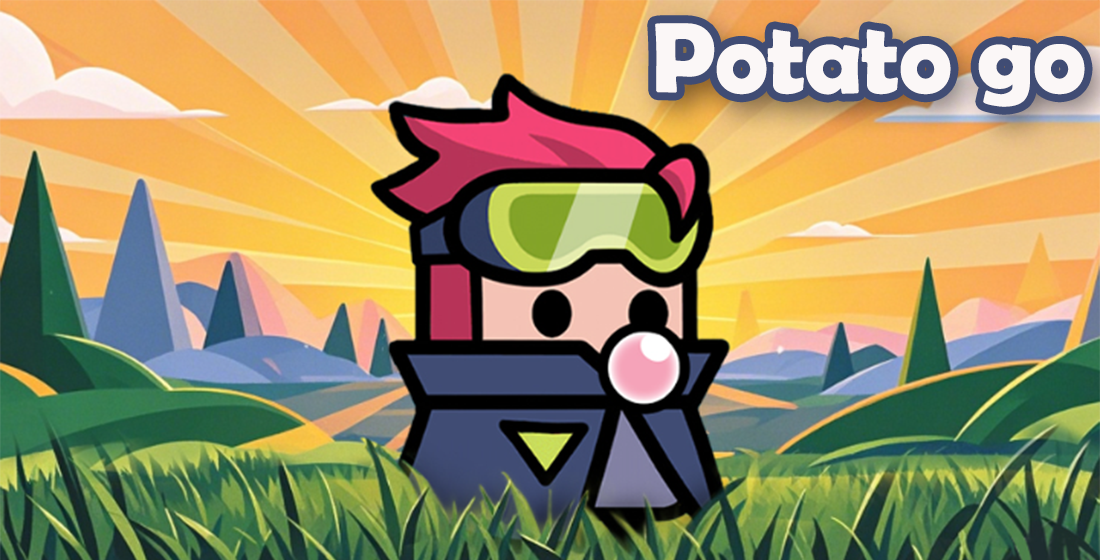
Now let’s switch gears. Say hello to tower defense games. These babies demand attention. You build, you strategize, you sweat over tower placements like you're planning an actual war. Each wave? More intense. Each mistake? Painful. And yet — the satisfaction is massive.

Tower defense games are the workout your brain didn’t know it needed. For gamers in Greece seeking that mental spark — those puzzle lovers, chess players, master tacticians — this genre is pure fire. It's slower. It's harder. But the win feels earned.
The Hidden Struggle: When Offline Play Lets You Down

But wait — ever tried setting up a Crash Team Racing Nitro Fueled Switch private match broken moment?
You plan a chill night with friends. Fire up your Switch. You get the lobbies ready. Then— nothing. Lag. Disconnections. Match won’t start. And there it is: that sinking feeling.
Compare that to idle games. No servers. No sync drama. Just you and your ever-cooking digital pies. Sometimes the best multiplayer is none at all. Stability beats frustration every time — especially in rural Peloponnese with patchy broadband.
| Feature | Idle Games | Tower Defense |
|---|---|---|
| Engagement Level | Low | High |
| Time Commitment | Fits 1-minute breaks | Requires focused sessions |
| Offline Functionality | Yes | Limited or none |
| Mental Effort | Minimal | Pretty Intense |
| Fun Spike After Long Absence | High! | Lower – need momentum |
Bonus Quirk: Snacks and Satisfaction (Go Free Potato Chips?)

You ever pair a mid-level snack with a level-up screen?

Real talk — one of the funniest unscripted moments in mobile gaming is hitting milestone 500 in idle games while chewing on go free potato chips reviews level flavor — which, for the record, *smoky paprika might taste like vacation in Thessaloniki.*

Weird? Maybe. Human? Totally. Gaming isn’t just rules and win rates. It’s sensory moments. It’s the crunch that syncs with a jackpot sound. And let’s be honest — Greek gamers love a good *tsipouro-and-game-night* vibe. Even if the game’s only in your pocket.
Key Points That Matter
- Idle games shine when life gets busy — no penalty, just slow progress.
- Tower defense is for strategic thinkers craving challenge and real-time decisions.
- Frustrations like crash team racing nitro fueled switch private match broken show why simpler offline options sometimes win.
- Casual moments — like snack time + surprise loot drops — boost emotional connection.
- Greek users value reliability, especially in low-connection zones. Auto-play wins there.

Heres a thing not many talk about — joy doesn’t always need competition. Sometimes its just nice to know somethins grinding while you enjoy kalamata olives and a Mythos beer. Idle games dont judge if you skip three days. Tower defense respects prep — but punishes neglect hard.

If your phone died tomorrow, which type would survive longer on your mental space? The one that plays itself? Or the one that screamed for your attention every time it loaded?

And hey — next time your crash team racing nitro fueled switch private match broken... maybe its the universe hinting at a calmer grind.

Final thought? Both types have soul. But if longevity’s the goal, idle games are built to endure. They grow in silence. They don’t need perfect Wi-Fi, epic strategies, or four-player squads. Just one tap. One dream. And a phone in your pocket.
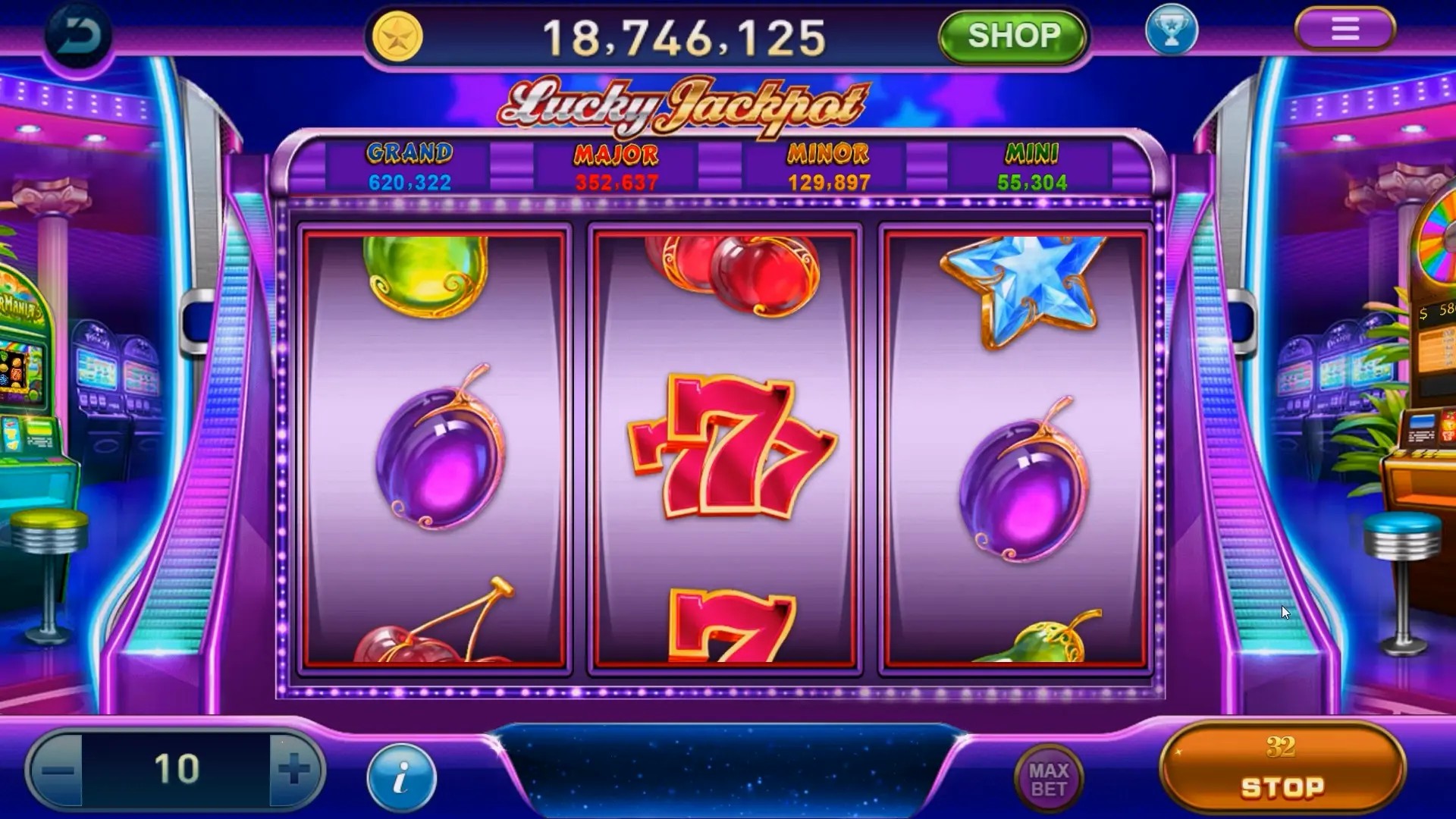
So ask yourself — do you want a mental marathon... or a slow burn that outlasts every crash, every delay, every lost match? In Greece, where slow living has rhythm — sometimes the quietest game wins the most time.

Turns out, victory doesnt always need a final boss. Sometimes it’s baked in a tiny, invisible, never-stopping cookie oven.
Conclusion: While tower defense games offer unmatched strategic depth, idle games dominate in accessibility, endurance, and real-life integration — especially for Greek players with unpredictable schedules and connectivity hiccups. Their silent grind lasts longer. Simplicity wins the race. Stay idle. Stay winning.