HTML5 Games: The Future of Browser-Based Gaming & Why Google Loves Them
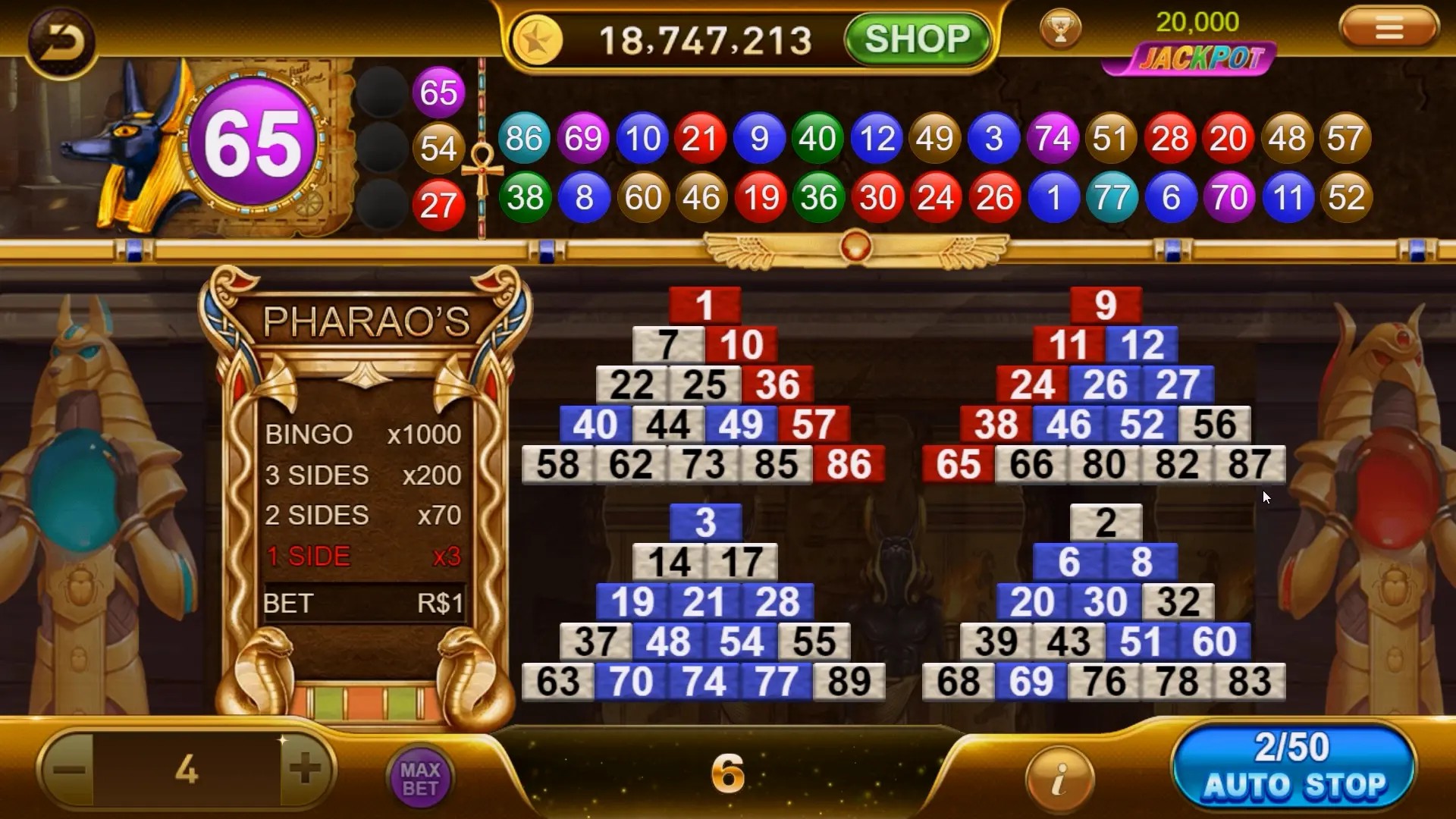
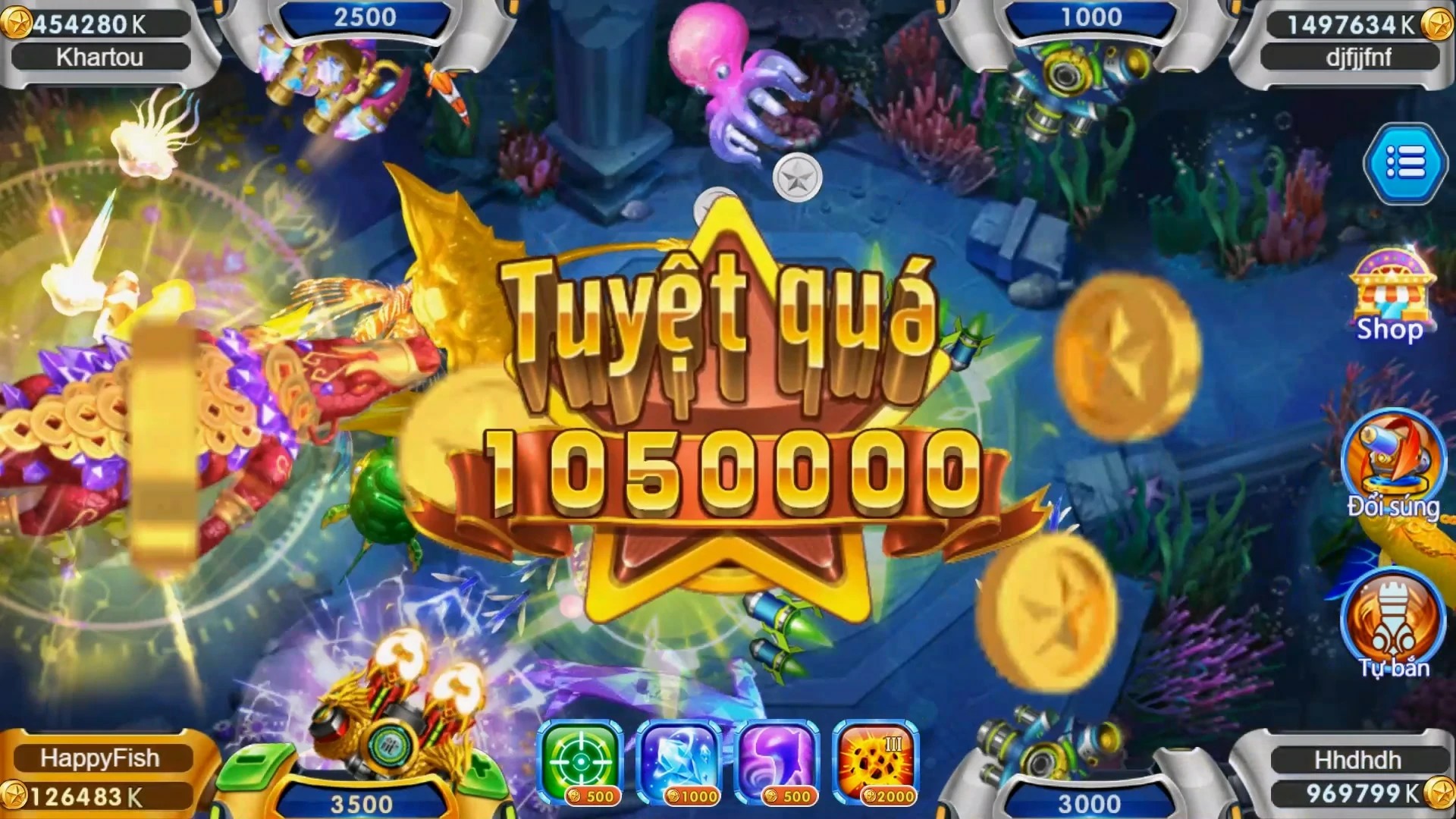
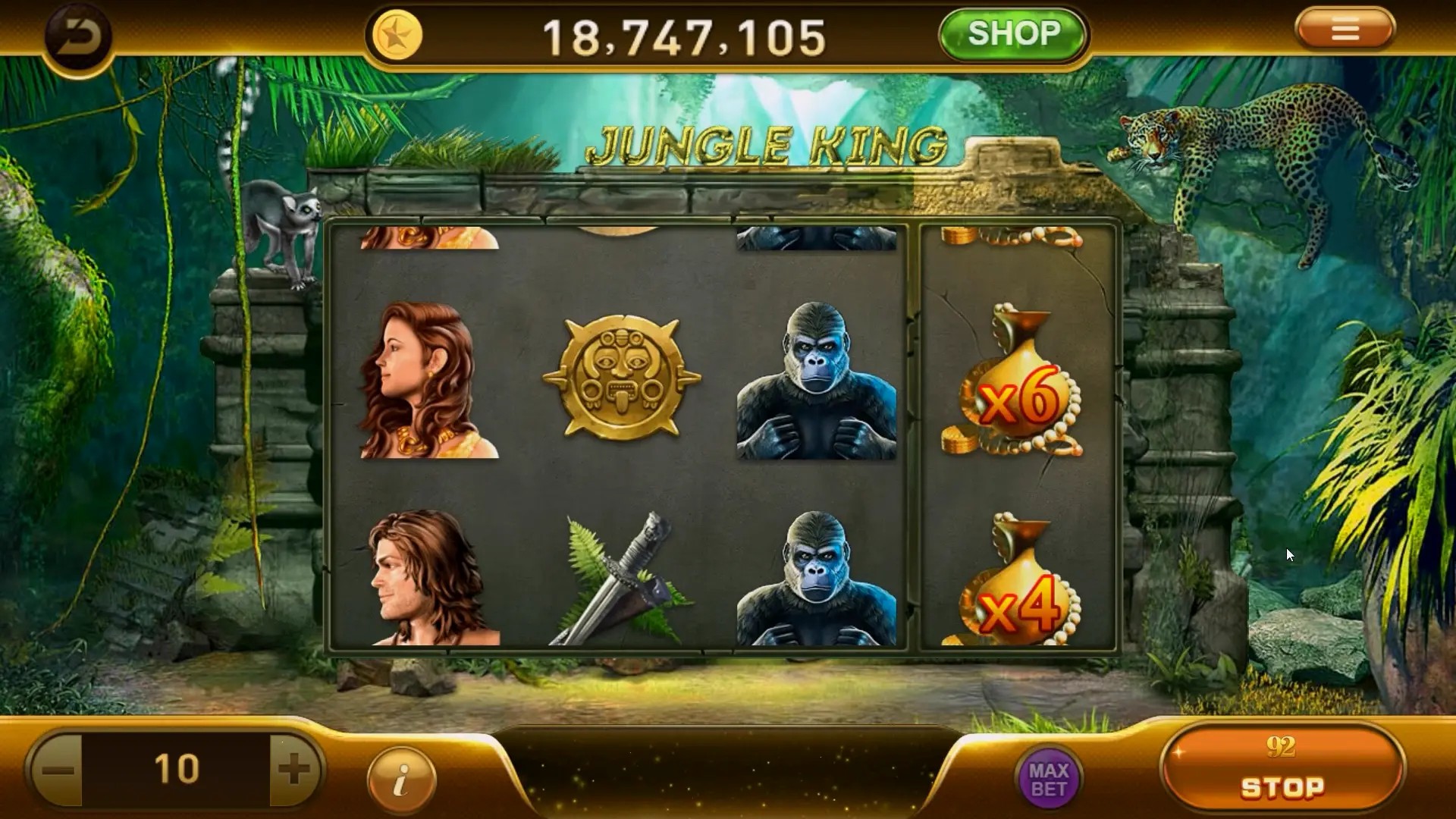
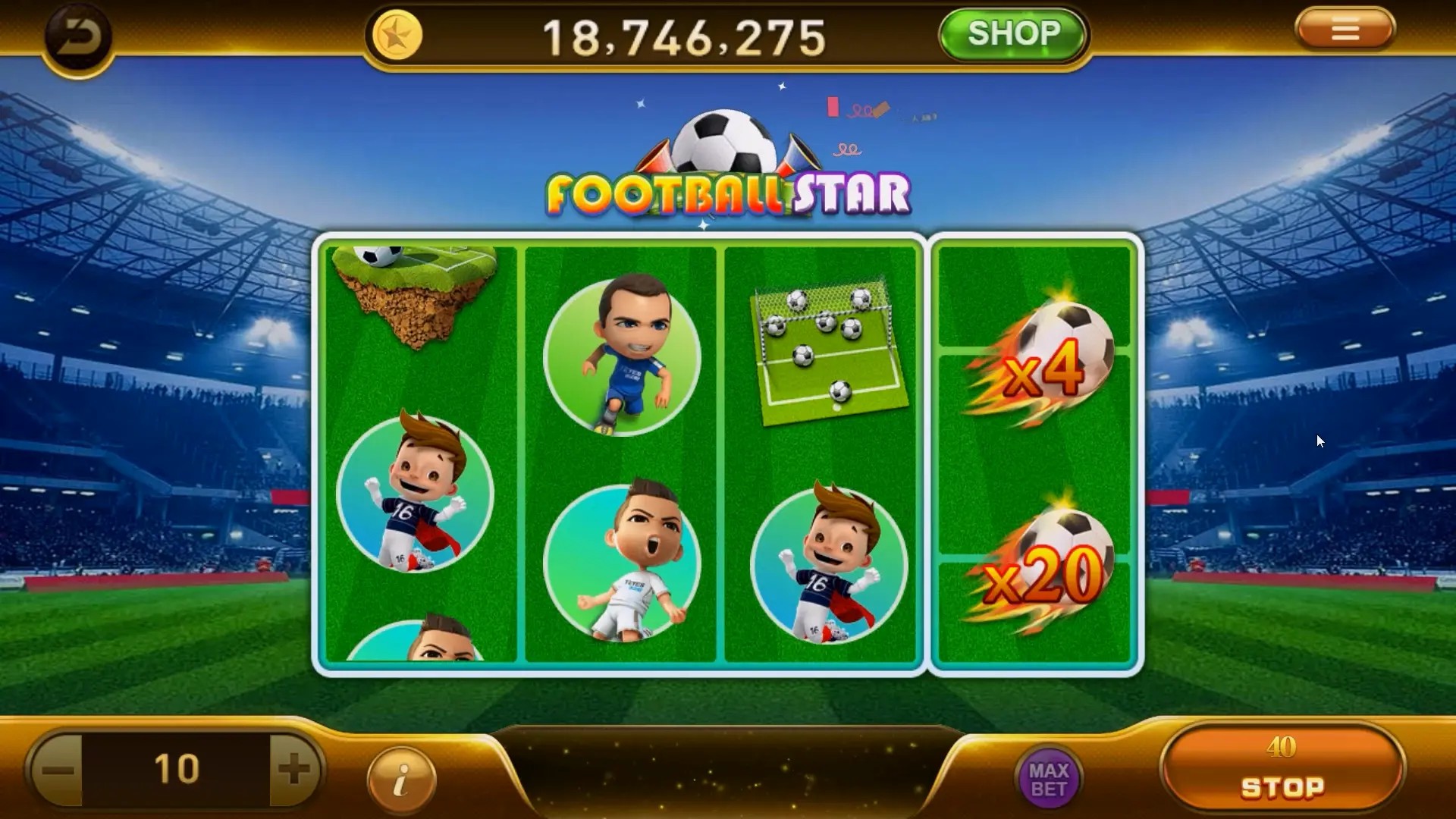
If you’ve ever played a game right in your browser without installing anything — congratulations, you’ve dipped your toe into the world of HTML5 games! These games are fast becoming the go-to option for players who want seamless access, minimal setup time, and some surprisingly rich gameplay experiences.









The Quiet Rise of HTML5 Gaming
Let’s start by getting something straight — the world isn't exactly buzzing about HTML5 games as if they're the next viral sensation. But behind the scenes? A quiet revolution's taking place. Google, Apple, and other digital powerhouses are pouring resources into improving this tech, not just because it plays well with ads but also due to its universal support. Think about that: you can play your favorite titles whether on Chromebook during lunch break at work or iPhone while waiting in line for coffee. The only “setup" you need is opening your browser. It just works — literally plug-in-and-play for the 21st century.What Makes an HTML5 Game Stand Out?
Let’s take my sims kingdom game – yes I made the URL clickable so you *could* follow but won’t actually go anywhere 😉 This kind of simulation-style experience shows how robust these games can become, despite their simple entry point:- Cross-platform functionality: PC, tablet, mobile – done!
- No plugins required – no Adobe Air, Steam, or app stores blocking your flow.
- Super quick launch – forget install delays; hit the game faster than ever before.
Check out how web-based vs native apps compare below:
So basically… it ain’t perfect, but for accessibility-first gaming experiences? Pretty solid stuff!
| Feature | HTML5 Games | Nativity Mobile/Desktop |
|---|---|---|
| Installation | No need | Yes needed |
| Update Management | Painless server-side patches | User-controlled update checks |
| Social Shareability | Hyper-easy — one link = instant multiplayer invite potential | Hard unless built for social integrations from scratch |
Mobility & Accessibility: Google's Hidden Love Letter
Why would companies like Google care deeply enough about HTML5 games to push hard in their favor? Because these kinds of titles help keep eyeballs on screens, longer than usual. They blend seamlessly into ChromeOS workflows, run smoothly within YouTube banners as demo ads, and yes...they can be monetized easily via Google's ad ecosystem. In fact, when you open Google Play Games and try to download some casual game that loads super quickly inside your desktop browser, there's a high chane you're engaging with a title built on top of HTML5 technology stacks optimized over years. This creates less pressure for developers and smoother transitions across different ecosystems—Google wins big when games are more discoverable without friction at launch.Potential Gold in the Survival Niche
Now let's look toward the edge cases – genres such as single player survival games running through browsers without stutter. Yeah, sure – we'd never mistake them with full fledged games like Valheim or Rust. However, for shorter immersive bursts while traveling via train or plane with inconsistent connections? Web-hosted single-player adventures have their moments! They might start with scavenging tools in pixelated forests, building basic shelters under starless night skies - maybe add weather simulations over a couple hours of gameplay, and then BAM: someone has unknowingly invested thirty uninterrupted minutes in an online game! That said – these smaller formats aren't limited to mere mini-games. More advanced engines using Babylon.JS frameworks, Three.js environments or PixiJS are pushing capabilities further.The Pros (+Cons!) Of Web-Centric Play Styles
Pros:- Easier development learning curve compared to Unreal, Unity, CryEngine
- Great toolset support available – many editors allow drag-drop UI components
- No approval processes for stores; instantly publish live changes
- Hardware utilization tends to lag native apps especially with real-time physics engines
- Closed platform integration (Bluetooth controller syncing etc.) remains limited
- Publishing rights & licensing models may require rethinking revenue structures altogether
Where Should Developers Start?
If you’re thinking about diving into HTML5 game development yourself (or just testing out new creative ideas), you’d wanna ask yourself:- Which niche am I hitting — Casual Puzzle or Hardcore Endgame Looper?
- Do I plan offline access, cloud saves, achievements systems later on downline?
- Should cross-adaptive UI design come first or performance scalability on budget phones first?